CENTRAL PATTANA PUBLIC COMPANY LIMITEDSET: CPN🇹🇭 TH

Risk Management · 2025

Risk Management Policy & Plan

Policy & Plan Description

CPN places recognizes that effective risk managementis is a fundamental component of good corporate governance and an important mechanism that supports the achievement of the Company’s strategic objectives and business goals. Risk management enables the Company to anticipate potential threats and uncertainties, mitigate potential losses, and continuously improve operational processes to ensure efficient allocation of resources.

CPN is committed to strengthening its risk management framework by establishing enterprise-level risk management policies, identifying key risk factors that may affect business operations, and implementing appropriate risk mitigation measures. Through the application of a robust and effective enterprise risk management system, the Company aims to maintain business stability and sustainable growth while enhancing confidence among investors and business partners.

CPN has established enterprise-level risk management policies and promotes a strong risk culture across the organization. The Risk Policy Committee is responsible for reviewing and providing recommendations on the Company’s risk management policies, strategies, and framework, as well as monitoring risk management performance and reporting to the Board of Directors on a regular basis.

In addition, the Risk Management Committee is responsible for overseeing key risks through designated risk owners across both management and operational levels. Risk owners are responsible for identifying key risks, assessing their likelihood and potential impact, and implementing appropriate risk prevention, control, and mitigation measures that may affect the Company’s objectives and operations. The Risk Management Committee also monitors the overall risk profile of the organization and evaluates emerging trends and risk factors arising from both internal and external environments. This ensures that the Company’s objectives, strategic goals, and business plans can be achieved as intended.
Risk Governance Structure

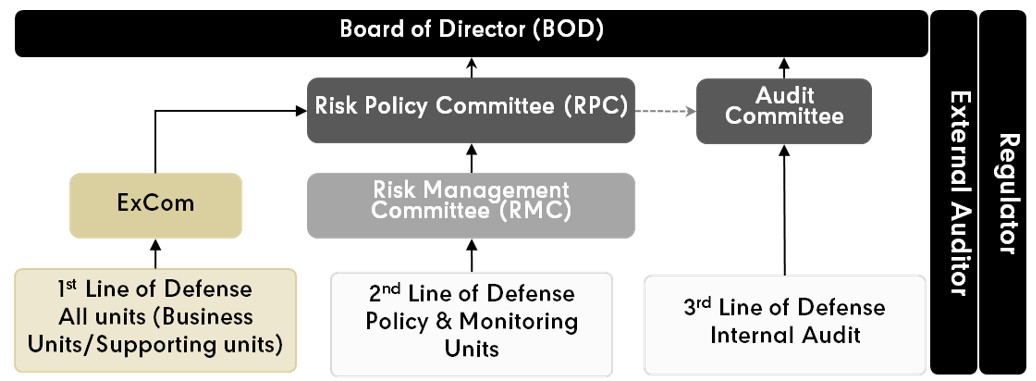
CPN has established a clear risk governance structure to ensure effective oversight and implementation of risk management practices across the organization. The structure comprises the following:

  1. Board of Directors

Responsible for overseeing the overall risk management framework and ensuring that the Company maintains an appropriate and effective risk management system.

  1. Risk Policy Committee

Responsible for reviewing and establishing risk management policies, structure, and framework, as well as determining the Company’s risk appetite. The Committee regularly monitors risk management performance and reports to the Board of Directors on a quarterly basis.

  1. Risk Management Committee

Responsible for ensuring the implementation of risk management policies and integrating risk management practices into day-to-day business operations. The Committee also promotes risk management activities throughout the organization and reports significant risk issues to the Risk Policy Committee.

  1. Risk Management Department

Responsible for monitoring, analyzing, and reporting key risks to the Risk Management Committee, and supporting risk owners in identifying, assessing, and implementing appropriate risk mitigation plans.

  1. Internal Audit Department

Operates independently from business units and is responsible for reviewing key organizational activities based on risk levels. The Internal Audit Department also coordinates the use of audit findings as inputs for identifying and assessing key risks within the organization.

Enterprise Risk Management Principles
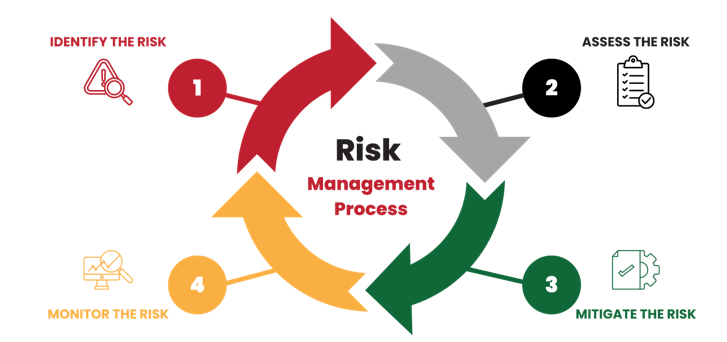
CPN integrates risk management with strategy and performance in accordance with the COSO Enterprise Risk Management Framework (2017), which consists of five key components aimed at creating and preserving organizational value:

  1. Governance and Culture

The Company establishes an appropriate governance structure and organizational culture while demonstrating commitment to core values and the development of human capital to support strategic objectives. The Board of Directors provides oversight and guidance to management.

  1. Strategy and Objective Setting

Risk management is integrated into the strategic planning process. The Company evaluates business context, assesses strategic alternatives and potential impacts, and sets business objectives aligned with acceptable risk levels.

  1. Performance

The Company identifies and assesses risks that may affect the achievement of strategic and operational objectives. Risks are prioritized and appropriate response strategies are implemented while maintaining an enterprise-wide view of risk exposure.

  1. Review and Revision

The Company regularly identifies and evaluates significant changes in business conditions, reviews risks and performance outcomes, and continuously improves the risk management process.

  1. Information, Communication, and Reporting

The Company utilizes information systems, technology, and communication channels to support risk management activities and ensure that risk information, operational performance data, and risk management reports are communicated appropriately to relevant stakeholders.

Fostering a Risk-Aware Culture

The Company is committed to fostering a strong risk-aware culture across the organization to support sustainable growth in line with its business strategies and objectives. Risk management is embedded as an integral part of the Company’s corporate values, reinforcing a purpose-driven organization with a clear strategic direction.

The Company promotes continuous development of employees’ capabilities, mindset, and shared values through four beliefs: 1) Dynamism - Continuous improvement and innovation; 2) Customers - Customers are our inspiration; 3) Communities -Creating shared value for communities; 4) Collaboration - Working together for sustainable success. These principles encourage employees to translate shared values into everyday behavior. Employees are encouraged to maintain a positive mindset, apply their expertise to improve the quality of life and well-being of people, remain adaptable to change, embrace innovation, understand customer needs, and collaborate with communities and stakeholders to create sustainable value.

Executives and employees at all levels share responsibility for managing risks within their respective functions. Risk considerations are incorporated into decision-making processes to ensure that potential risks are effectively prevented or mitigated, thereby supporting the achievement of corporate objectives, business strategies, and operational goals. Risk management performance is also incorporated into employee performance evaluation.

In addition, CPN continues to enhance the use of modern technology to support risk management processes and reporting. Training programs and knowledge-sharing initiatives related to risk management are regularly conducted for personnel at all levels - from directors and senior management to operational employees. These initiatives ensure that employees have access to relevant risk management information and are aligned with the Company’s Integrated Governance, Risk, and Compliance (Integrated GRC) framework, thereby promoting continuous awareness and consistent risk management practices throughout the organization.
Risk Factors — Overview

Risk Factors — Introduction

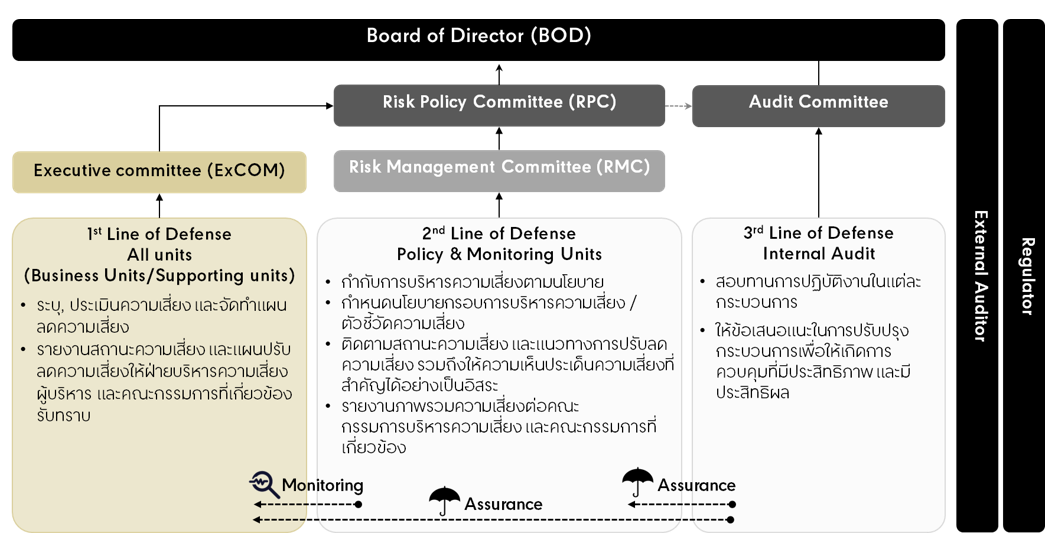
The Company continuously analyzes and assesses risk factors that may affect its business operations by considering both internal and external factors aligned with the Company’s strategic direction, business objectives, and operational plans. The assessment also considers the likelihood and potential impact of events that may affect the business both directly and indirectly. Based on this assessment, the Company identifies key corporate risks and establishes appropriate mitigation measures to ensure that risk exposure remains within acceptable levels. The key risk factors are summarized as follows.

Risks to the Company's Business Operations

Introduction

In line with the Company’s vision to become “a leading regional real estate developer creating a better and more sustainable future for all,” the Company regularly reviews its key risks while considering both challenges and opportunities arising from the economic environment. Thailand’s economy has shown gradual recovery supported by tourism, exports, and domestic consumption. However, several uncertainties remain, including domestic factors such as delays in government budget disbursement, volatility in exchange rates, and flooding in certain areas. External factors such as global economic uncertainty, geopolitical tensions, and escalating trade conflicts also continue to influence the business environment. Taking these factors into consideration, the Company has identified significant current and emerging risks as follows.
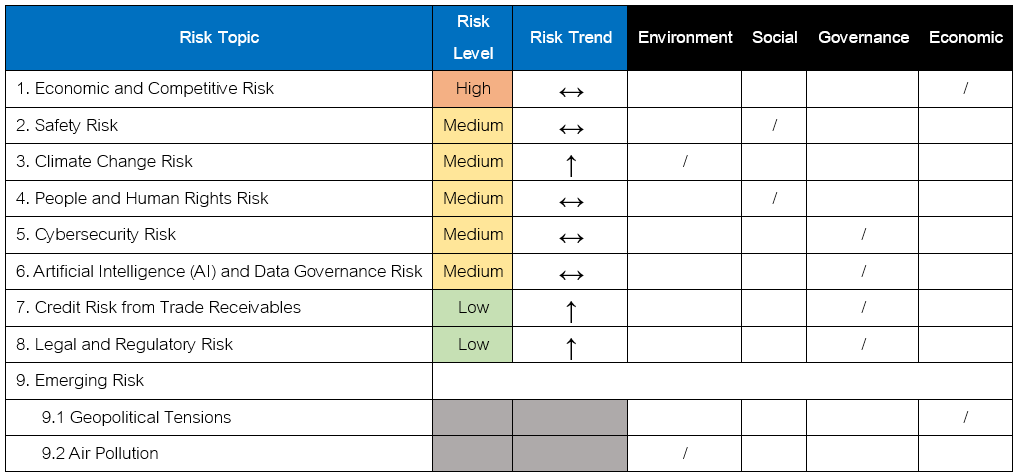
Risk Register

Risk NameRisk CharacteristicsConsequencesManagement MeasuresRelated Risk Factors
Economic and Competition Risk

Economic Conditions

The economic outlook during 2025–2026 remains volatile. According to projections by the International Monetary Fund (IMF), Thailand’s GDP growth is expected to slow during 2025–2026, while average inflation is expected to remain close to zero and may even turn negative, reflecting weakening domestic consumption and potential deflationary pressure. In addition, global economic conditions remain uncertain due to trade conflicts, including tariff increases imposed by the United States, as well as geopolitical tensions arising from conflicts in several regions. Domestic political uncertainty has also contributed to exchange rate volatility and a strengthening Thai baht, which may further suppress domestic demand. Furthermore, the risk arising from Thailand’s elevated household debt levels during 2025–2026 continues to be a key concern. Although the Bank of Thailand reduced the policy interest rate to 1.0% in February 2026, the reduction has not significantly alleviated household debt burdens. These factors may influence business investment decisions and reduce consumer purchasing power. The decline in purchasing power directly affects to number of visitor and tenant sales' performance, resulting in reduced demand for rental space and potentially requiring the Company to adjust rental structures in order to mitigate the impact on business partners.

Competitive Environment

  • Office Business: The office market in Bangkok continues to face increasing supply while demand for office space is growing at a slower pace during 2025–2026. New supply continues to enter the market each year, particularly from developers launching new projects that emphasize energy-efficient buildings and mixed-use developments. This situation creates challenges for older office buildings in maintaining competitiveness. As a result, operators may need to adjust their leasing strategies by offering additional incentives to tenants, leading to increased price competition. In addition, the growing trend of hybrid workplaces has reduced demand for traditional office space and retail areas. Tenants increasingly prefer flexible spaces equipped with modern technologies, such as smart offices and co-working spaces. These factors may affect the Company’s occupancy rates and limit its ability to adjust rental rates.

  • Residential for Sale Business: The residential market is currently facing an oversupply situation, while housing demand in Bangkok Metropolitan area continues to slow, particularly in the low-rise housing segment. The accumulation of housing inventory has forced developers to reduce prices or offer promotional incentives, resulting in increased price competition. These factors may impact the Company’s cash flow and its ability to achieve its target.

Impact on the Company:

As part of the Company’s strategy to drive revenue growth through investments in various businesses, including mixed-use development projects, renovation projects, residential businesss for sale, and hotel. The current environment of slow economic recovery, intense market competition, and changing customer preferences presents challenges for maintaining competitiveness and adapting to evolving customer expectations. These factors may affect to occupancy rates, rental income, and the Company’s overall profitability, particularly in the residential business where price competition is significant. As a result, the Company’s financial performance in terms of revenue and profitability may fall short of planned targets.

Impact on Stakeholders:

  • Tenants and Business Partners: Declining sales resulting from economic conditions and increasing competition from e-commerce create challenges for tenants in meeting rental payment obligations. At the same time, intense competition has shifted the market toward tenants, giving them greater bargaining power in negotiating lease conditions, pricing, and contract renewals. Nevertheless, the Company’s continued business expansion supports its partners by encouraging them to develop products and services based on their expertise. This enables partners to expand their businesses into new customer segments and new locations, thereby growing together with the Company.

  • Customers and Communities: Economic slowdown and low inflation reduce customers’ purchasing power. However, the renovation of shopping malls and development of new projects enhance customer experiences and create employment opportunities in local communities. In addition, initiatives related to environmental and social activities contribute to benefits for communities and the environment.

  • Homebuyers: Oversupply in the residential market increases buyers’ bargaining power, allowing them to purchase houses or condominiums at discounted prices or with promotional offers. However, consumers continue to face stricter lending conditions from Banks and high household debt levels, which may delay purchasing decisions.

  • Employees: Business expansion and the development of new projects create additional employment opportunities. However, employees must adapt and develop new skills to support increasingly digitalized working environments.

The Company has developed projects that respond to market demand under changing economic conditions, focusing on projects that target high-potential customer segments while diversifying the Company’s asset portfolio. The Company emphasizes the development of products and services that enhance customer experiences and reinforce the concept of being a “Center of Life.”

To ensure that new projects or business initiatives achieve their objectives, the Company undertakes the following actions:

  1. Conducting comprehensive studies and research prior to project development, with reviews and approvals by management, the Board of Directors, and qualified external advisors.

  2. Preparing for project development through collaboration with experienced partners, particularly in projects where the Company has limited experience, as well as engaging with partners within the Central Group - such as restaurant and fashion business groups - prior to the development of new projects.

  3. Monitoring and evaluating the performance of new projects regularly and comprehensively through coordination between central corporate units and property management teams, ensuring collaboration across all relevant functions.

In addition, the Company enhances customer experiences through omnichannel platforms and by leveraging synergies across the Company’s businesses and the Central Group ecosystem across all channels. Strategic partnerships are also developed to expand business opportunities and mitigate risks.

The Company has also established specific risk management approaches for each of its key business segments as follows.

Shopping Mall Business

  1. Strengthening the “Center of Life” experience and developing strategic partnerships with tenants by enhancing the overall customer experience, including tenant mix enhancement, mall decoration improvements, and excellence in service offerings.

  2. New project development plans during 2026–2027 include Central Khonkaen Campus and The Central, as well as renovation and expansion of four shopping malls: Central Northville (Rattanathibet), Central Chiangmai Airport, Central Phuket, and Central Bangna, which will increase leasable area and support future revenue growth.

  3. Expanding CRM and loyalty programs through the “The 1 Central” platform and Big Data analytics to better understand customer behavior and deliver targeted offers.

  4. Providing services and communicating with customers through digital channels, including shopping mall Facebook pages, the Line Official Account under the name “Central Life,” and the mobile application “Central Life X.” These platforms enhance communication efficiency and provide services such as reservations and special privileges while reinforcing the role of Central of Life as a destination for all lifestyles and occasions.

  5. Developing the Phygital Community strategy, which integrates digital services with on-site experiences (Destination & Digital Services), while also improving front-end and back-end operational processes to enhance customer experience and create additional value for stakeholders.

Office Business

  1. Developing lifestyle-oriented office buildings through mixed-use environments that promote a better balance between work and life. Digital technologies are integrated to enhance convenience for tenants and building users, such as online access to leasing information, service applications for communication and service requests, and upgrades to Smart Office and Hybrid Workplace concepts. Technologies such as online meeting room booking systems, touchless access, and self check-in systems are implemented. Tenant applications are also developed to enhance efficiency and convenience. Flexible workspace concepts and environmentally friendly building designs - such as energy-efficient materials and green building certifications - are adopted to reduce operating costs and attract ESG-focused tenants.

  2. Enhancing leasing performance through proactive marketing strategies targeting tenants in high-growth industries. New tenants are sourced through experienced leasing agents and networks such as embassies, BOI, legal firms, and chambers of commerce. The Company also collaborates closely with leasing agents through activities such as Agent Day and scheduled agent updates.

  3. Strengthening tenant relationships through proactive tenant management (Know-Your-Tenant), strategic partnerships, CRM programs, and enhanced capabilities of both leasing and support teams.

  4. Enhancing product and service offerings through mixed-use privileges, including unique selling points for each building and exclusive benefits developed in collaboration with Central Pattana and Central Group. These initiatives include flexible office solutions and “At-work-at-malls” concepts.

Residential Business for Sale

  1. Developing projects under the concept of a “360-Degree Ecosystem for Life,” providing superior living quality while carefully managing project pipelines and cash flow (Launch discipline & cash flow). The Company selectively delays or holds certain project launches and prioritizes investments based on market conditions and cash flow considerations.

  2. Strengthening brand trust and customer confidence through the “Strengthen CPN-Residence Brand”strategy, focusing on three key pillars:

    Better Home: High-quality design and functional living spaces, including home automation systems with the highest safety standards.

    Better Privilege & Convenience: Exclusive privileges for Central citizens.

    Better Experience & Services: Superior living experiences within high-quality communities supported by premium after-sales services.

  3. Managing marketing activities through both online and offline channels aligned with the lifestyles of different target customer segments, delivering product information and targeted campaigns while maintaining target profit margins.

  4. Leveraging the Company’s ecosystem and loyalty programs through The 1 platform to stimulate purchasing decisions and increase customer engagement, particularly during periods of intense market competition.

  5. Collaborating with financial institutions aligned with customer profiles through bank pre-approval processes and customer qualification screening prior to contract signing to reduce cancellation and transfer risks resulting from mortgage rejections.

Hotel Business

  1. Enhancing the performance of core hotel assets through improved revenue management and service quality.

  2. Expanding the economy hotel segment under the GO! Hotel brand to support domestic travel and short-stay and extended-stay customers, leveraging strategic locations connected to the Group’s developments and transportation hubs to increase revenue flexibility amid uncertain international tourism demand.

  3. Increasing portfolio resilience by balancing upscale/luxury hotels with economy hotels, thereby diversifying risks associated with fluctuations in international tourist arrivals while leveraging mixed-use developments to attract MICE, event, and corporate segments.

  4. Driving demand through Event and Destination strategies, supporting national events, international festivals, entertainment activities, and shopping mall events.

    Leveraging government stimulus measures supporting tourism and hospitality sectors to enhance asset quality and strengthen competitiveness in the longer term

728 · Description: Volatility in the industry in which the company operates · Info category: STRATEGIC_RISK
Safety Risk

The Company’s operations involve both project development and property management activities across facilities that accommodate a large number of visitors and users. As such, safety risk encompasses incidents arising from building systems, physical environments, and human-related factors. Key risk issues include the following:

  • Malfunction of building systems, such as water leakage, electrical short circuits, and failures in air-conditioning or utility systems.

  • Structural risks related to building components, such as broken glass panels, damaged building materials, or deterioration of equipment.

  • Incidents associated with mental health conditions of individuals in public areas. These behavioral factors are difficult to predict in advance. Although buildings are designed in accordance with established safety standards, certain physical characteristics of buildings may still present risks. These include open spaces, high floors, or areas where building edges may be accessible. While these design elements comply with engineering standards, they require enhanced proactive monitoring and preventive measures.

  • Risks arising from natural disasters, particularly flooding in several regions of the country. Such events may affect accessibility to project locations, surrounding infrastructure, and the overall economic environment in the area. Although most of the Company’s projects are located on elevated land and are unlikely to experience direct structural damage, such risks may still affect operations and the surrounding community.

Impact on the Company:

These risks are interconnected across several dimensions, including user safety, operational continuity, and corporate reputation. Potential impacts may include:

  • Temporary suspension of certain services or areas in order to repair building systems or structures.

  • Additional costs associated with maintenance, emergency response, and enhanced safety measures.

  • Legal and regulatory risks related to safety requirements if serious accidents occur.

  • Indirect impacts on visitor traffic, tenant confidence, and the overall image of the Company’s projects.

Impact on Stakeholders:

  • Customers and visitors may be affected in terms of safety or overall service experience.

  • Tenants may experience temporary business disruptions if certain areas are temporarily closed or if visitor numbers decline.

  • Employees and contractors may face occupational safety risks while performing their duties.

  • Communities and society expect the Company to ensure high building safety standards and to play an active role in maintaining safety and providing assistance during incidents. For example, fire incidents could potentially lead to loss of life and property within surrounding communities.

  • Insurance partners may face increased claims arising from accidents or emerging risk events.

The Company recognizes the importance of effectively managing safety risks in order to maintain confidence among customers and all stakeholders. The Company continues to implement safety management measures from previous years while strengthening proactive approaches, including the following:

  1. Establishing safety and occupational health policies covering the entire lifecycle of operations - from project construction to services provided to customers and visitors. Employees, contractors, and business partners are required to strictly comply with safety regulations, laws, and internal procedures.

  2. Implementing the ISO 45001 Occupational Health and Safety Management System as a framework for safety management. The Company also applies modern technologies and monitoring measures, such as crime clock monitoring, behavioral observation through CCTV systems, and the use of Color-Code Condition systemsto track, control, and evaluate crisis situations. In addition, the Building Automation System (BAS) is used to monitor and provide alerts for abnormalities in electrical systems, air-conditioning systems, and utility systems.

  3. Conductingpreventive maintenance programs and regular inspections of building equipment and systems.

  4. Implementing Housekeeping Practice plans and safety checklists,along with regular inspections of high-risk areas.

  5. Enhancing surveillance in high-risk areas throughjoint patrol operations, CCTV monitoring systems, and the application of technology to detect abnormal behavior.

  6. Studying engineering improvement measures in certain areas, such as increasing the height of guardrails or installing additional safety equipment.

  7. Analyzing root causes of incidents to develop preventive measures and reduce recurrence. The Company also reviews and improves emergency and crisis management procedures, including guidelines for active shooter situations, emergency procedures for EV charger station fire incidents,and disaster preparedness and Business Continuity Plans.The Company also supports surrounding communities during incidents, such as providing parking spaces and essential supplies when needed.

  8. Recording incidents and accidents in the Smart Property system,and analyzing statistics involving employees, tenant employees, contractors, and customers to determine root causes, implement corrective measures, and apply lessons learned across relevant branches. The Company also monitors remediation efforts until completion.

  9. Providing training and emergency drills for personnel- including Company employees, tenant staff, and contractors - to ensure effective response to crisis situations. Intensive safety training programs are also conducted for high-risk operational activities.

  10. Establishing ccupational Safety, Health, and Working Environment Committees (Safety Committees) at both corporate and branch levels. These committees include representatives elected from both employers and employees in accordance with legal requirements. Meetings are held regularly on a monthly basis to monitor incidents, analyze root causes, establish preventive measures, and report accident cases.

  11. Reporting significant incidents regularly to the Risk Management Committee and the Board of Directors.

742 · Description: Human error in business operations · Info category: OPERATIONAL_RISK · 749 · Description: Safety, occupational health, and working environment · Info category: OPERATIONAL_RISK
Climate Change Risks

Climate change represents one of the significant risks facing the Company, as it is closely linked to energy consumption, water resources, and urban infrastructure. Its impacts extend from operational levels to strategic decision-making. Climate-related risks can generally be categorized into two key dimensions:

  1. Physical Risks – Risks arising from severe weather events

Rising temperatures, heavy rainfall, flash floods, and water Stress or drought may affect accessibility to project locations, public utility systems, tenant operations, and the experience of customers and visitors. These impacts are particularly relevant for projects located in major urban areas and tourist destinations. Although most of the Company’s projects are designed in accordance with engineering standards and located on elevated land, the increasing frequency and intensity of extreme weather events in the country highlight the need to strengthen resilience

  1. Transition Risks – Risks arising from the transition to a low-carbon economy

These risks include structural changes in several areas of the economy:

  • Policy: Thailand has revised its national commitment to achieve net-zero greenhouse gas emissions by 2050 in order to promote sustainable development and mitigate the impacts of climate change.

  • Regulation: The government is preparing to introduce the Climate Change Act, which will establish a national framework for classifying environmentally sustainable economic activities under the Thailand Taxonomy. In addition, international standards on climate-related disclosures - particularly financial disclosures such as TCFD and IFRS S2 - are increasingly being adopted to enhance transparency and clarity in corporate reporting.

  • Technology: The development of low-carbon technologies includes renewable energy adoption, energy-efficient machinery and equipment, environmentally friendly product development, and technologies for carbon capture and storage.

  • Consumer behavior: Consumers are increasingly prioritizing organizations and products that demonstrate environmental responsibility. Demand for environmentally friendly products and services continues to grow, with many consumers willing to pay a premium to support sustainable offerings. In addition, investor and tenant expectations for energy-efficient buildings may affect cost structures, capital expenditures (CAPEX), and asset competitiveness if companies are unable to adapt effectively.

The Company recognizes that both dimensions of climate-related risks are closely linked to its long-term growth strategy, particularly for large-scale mixed-use developments that must consider energy efficiency, water management, and green space design

Impact on the Company

Climate-related risks affect the Company across multiple dimensions, including costs, operational continuity, and asset value:

  • Costs and investment - Improving building energy efficiency, installing renewable energy systems, or implementing flood protection measures may increase capital expenditures in the short term, but can reduce operating expenses (OPEX) and long-term risks.

  • Operations - Severe weather events may affect shopping mall footfall, office building usage, and hotel occupancy rates during certain periods.

  • Asset value and competitiveness - Buildings that comply with green building standards and demonstrate clear carbon management strategies are increasingly attractive to tenants and investors.

As a result, climate risk management represents both risk mitigation and business opportunity (risk & opportunity) for the Company

Impact on Stakeholders:

  • Customers and visitors expect buildings that are safe, comfortable, and environmentally friendly.

  • Tenants and business partners increasingly seek energy-efficient spaces that support their own carbon reduction targets.

  • Investors place growing emphasis on clear net-zero pathways and transparent climate-related disclosures.

  • Communities and society expect companies to play an active role in reducing environmental impacts and supporting sustainable urban development.

The Company aims to manage environmental and climate-related risks while simultaneously creating business opportunities, ensuring that the growth of its shopping malls, office buildings, residential projects, and hotels remains sustainable and resilient over the long term. The Company continues to implement climate risk management initiatives as follows:

  1. Governance and Targets

  • Establishing a target to achieve Net Zero greenhouse gas emissions by 2050, with both short-term and long-term emission reduction targets aligned with the Science Based Targets initiative (SBTi).

  • Establishing the Climate Change and Environment Committee (CEC) under the supervision of the Corporate Governance and Sustainable Development Committee (CG-SD Committee) to drive the organization’s transition toward a low-carbon society in accordance with the 2050 Net Zero pathway.

  • Integrating climate risk considerations into the Enterprise Risk Management (ERM) framework and investment decision-making processes.

  • Monitoring developments in climate-related regulations, studying regulatory requirements, assessing potential business impacts, and adjusting operations to ensure compliance with emerging standards.

  1. Green and Resilient Development

  • Promoting Green Building standards for new shopping mall, office, and residential projects.

  • Designing large-scale developments - such as new mixed-use projects - to incorporate green spaces, energy-efficient systems, and effective water management solutions.

  1. Energy and Resource Management

  • Increasing the proportion of renewable energy usage, such as solar rooftop installations.

  • Implementing Energy Management Systems and Smart Building technologies to reduce energy consumption.

  • Promoting efficient water and waste management practices.

  • Exploring and implementing new technologies that improve energy efficiency and reduce greenhouse gas emissions, including the use of AI technology to optimize cooling systems, installation of Variable Speed Drive (VSD) technology to control electric motor speed and reduce energy consumption, installation of automatic doors, and improvement of indoor air quality through Air Scrubber systems.

  1. Climate Resilience and Business Continuity Planning (BCP)

  • Conducting site-specific risk assessments for flooding and heatwaves.

  • Strengthening Business Continuity Plans to ensure preparedness for severe weather events.

  1. Tenant and Value Chain Engagement

  • Encouraging collaboration with tenants to reduce energy consumption and waste within leased areas.

  • Promoting green partnerships and sustainable lifestyle concepts within shopping malls and residential projects.

750 · Description: Climate change and disasters · Info category: OPERATIONAL_RISK · 751 · Description: Impact on the environment · Info category: OPERATIONAL_RISK
People and Human Rights Risk

The Company operates shopping malls, office buildings, residential projects for sale, and hotel businesses. These operations require personnel with diverse expertise, as well as extensive networks of contractors and business partners. Therefore, people-related risks encompass both talent acquisition, retention, and development and human rights governance across the value chain.

In 2025, the Company has identified several key issues, including:

  • Competition for talent in the real estate and service industries, particularly in areas such as digital capabilities, data and analytics, sustainability (ESG), and large-scale project management. If the Company is unable to attract and retain high-potential personnel, this may affect the continuity of business plans and the development of new projects.

  • Succession planning and development plans for key positions within the organization. Without systematic succession planning, long-term management stability may be affected.

  • Human rights risks within business operations and supply chains, such as fair employment practices, workplace safety, discrimination, or labor rights violations involving contractors or business partners.

  • Increasing expectations from investors and customers for responsible business conduct, transparency, and respect for human rights in accordance with international standards.

The Company recognizes that people and human rights risks are critical factors affecting organizational sustainability and are closely linked to corporate reputation, stakeholder trust, and long-term competitiveness.

Impact on the Company

These risks are interconnected across several dimensions, including human capital, operational performance, and corporate reputation.

  • The loss of key personnel or the inability to develop necessary capabilities may affect the Company’s ability to execute new projects, manage assets effectively, and deliver services to customers.

  • Human rights risks within the supply chain may affect the Company’s reputation and the confidence of investors, tenants, and business partners.

  • In severe cases, such issues may result in legal or regulatory consequences and potential loss of business opportunities.

Therefore, effective management of people and human rights risks is an important component in sustaining the Company’s long-term growth.

Impact on Stakeholders

  • Employees expect opportunities for career growth, job stability, and a safe and fair working environment.

  • Tenants and business partners prefer to collaborate with organizations that maintain strong ethical standards and sound governance practices.

  • Investors place increasing importance on human capital management and ESG disclosure.

  • Communities and society expect the Company to conduct its business in a manner that respects human rights and contributes to sustainable development

The Company manages human resources with consideration for the expectations of different groups of personnel. It promotes employee engagement and commitment to the organization and their responsibilities, while continuously developing capabilities and operational performance. Key measures include the following:

  1. Talent Acquisition, Retention, and Development

  • Planning and providing competitive and fair compensation and benefits packages aligned with market standards.

  • Developing fair performance evaluation and promotion systems that align with the achievement of corporate objectives and organizational values.

  • Implementing a Business Partner system covering personnel across the organization, providing a one-stop service for all matters related to human resource management.

  • Listening to employee feedback and suggestions through various channels, including the annual employee engagement survey (CG Voice), online surveys, and focus group or group discussions on various topics.

  • Organizing activities outside working hours that align with the lifestyles and generational diversity of employees, providing experiences beyond work-related activities.

  • Establishing succession planning and development programs for key positions within the organization, with regular monitoring of progress and challenges by senior management.

  • Providing continuous development programs, including both online and offline training courses aligned with career development plans at both organizational and individual levels, covering leadership and functional competencies as well as Individual Career Development Plans (ICDP).

  1. Human Rights Risk Management

  • Conducting Human Rights Risk Assessments and regularly reviewing human rights policies.

  • Establishing a Code of Conduct for employees and business partners, along with grievance and complaint mechanisms.

  • Assessing suppliers and contractors on labor standards and safety practices.

  1. Alignment with the Sustainability Strategy of Core Businesses

  • The Company places importance on fair employment practices, the safety of construction workers, and creating opportunities that support the development of communities in project areas.

742 · Description: Human error in business operations · Info category: OPERATIONAL_RISK · 753 · Description: Impact on human rights · Info category: OPERATIONAL_RISK
Cybersecurity Risk

The Company operates shopping malls, office buildings for lease, residential projects for sale, and hotel businesses, all of which rely extensively on information technology systems and digital platforms. These systems support business operations, asset management, sales, payment systems, tenant management, membership platforms, as well as smart building management systems.

Cybersecurity risks may arise from several sources, including:

  • Cyberattacks such as ransomware, phishing, malware, or data breaches

  • Risks arising from third-party vendors or system service providers

  • Personal data leakage and exposure related to data protection regulations (PDPA-related exposure)

  • Human error or insufficient cyber awareness

During the period of 2025-2026, the increased adoption of digital systems and data integration across business units has elevated cybersecurity risk to a strategic risk that requires continuous management. Although the Company did not experience any significant cybersecurity incidents during the past year, it recognizes the importance of continuously strengthening preventive measures

Impact on the Company

Cybersecurity risks may affect the Company across several dimensions, particularly technology operations and corporate reputation, including:

  • If IT systems are compromised, operational systems such as shopping mall management systems, hotel reservation systems, residential sales platforms, or building management systems may be disrupted.

  • Risks related to personal data protection may affect the Company’s reputation and the confidence of customers, tenants, and investors.

  • Additional costs may arise from system recovery, crisis communication, and legal compliance requirements.

  • In severe cases, business interruptions could directly affect revenue generation.

Therefore, cybersecurity risk management is a critical component of maintaining business continuity and long-term competitiveness

Impact on Stakeholders

  • Customers and service users expect strong protection of personal data and secure digital transactions.

  • Tenants and business partners require reliable and secure technology systems.

  • Employees must operate within secure systems and possess sufficient cyber awareness.

  • Investors place importance on cybersecurity governance and the maturity of cybersecurity management frameworks.

The Company aims to enhance cybersecurity maturity in parallel with business expansion and the development of its digital ecosystem. This ensures that the growth of shopping malls, office buildings, residential projects, and hotel businesses is supported by strong security and stakeholder trust, aligned with international standards and continuously strengthened throughout 2025.

  1. Governance & Oversight

  • Establishing an IT Security governance structure under the executive management level, with reporting to relevant governance committees.

  • Conducting cyber risk assessments across various domains to identify vulnerabilities and develop improvement plans, aligned with information security standards such as ISO 27001:2013 and NIST SP800-53.

  • Updating Information Security policies and PDPA compliance frameworks in line with evolving regulatory requirements and best practices.

  1. Prevention & Protection Controls

The Company emphasizes proactive cybersecurity protection through the implementation of appropriate technologies, processes, and access control measures to reduce the likelihood of cyber incidents and limit potential impacts on business operations.Key measures include:

  • Identity & Access Management Implementing access control mechanisms such as Multi-Factor Authentication (MFA) and Privileged Access Management (PAM). User access rights are regularly reviewed, and inactive user accounts are removed or disabled to reduce the risk of unauthorized access.

  • Patch Management & System Hardening Regularly updating OS patches and security patches for operating systems, servers, and endpoint devices. System hardening practices are also implemented to reduce vulnerabilities that could be exploited by cyber threats.

  • Endpoint & Device Protection Implementing endpoint and device management solutions, together with Endpoint Detection & Response (EDR) systems to enhance the ability to prevent, detect, and mitigate cyber threats.

  • Network & DNS Security Strengthening network security through the use of firewalls and DNS/network security management systems, helping to prevent access to malicious domains and command-and-control servers, thereby reducing risks associated with malware and phishing attacks.

  • Security Monitoring Foundation Integrating security data from multiple systems - including networks, endpoints, and DNS - to enhance the organization’s ability to detect threats across the enterprise environment.

  • Vulnerability Assessment & Penetration Testing Conducting regular vulnerability assessments and penetration testing to identify weaknesses and continuously improve security measures in response to evolving cyber threats.

  • Data Protection & Backup Security Implementing strong data protection mechanisms for critical data and personal information, including secure backup systems designed to prevent unauthorized access or modification. These measures help reduce the impact of cyber incidents such as ransomware attacks.

  1. Detection & Response

The Company places strong emphasis on systematic detection and response capabilities to ensure timely identification of cybersecurity incidents, minimize operational impacts, and restore systems efficiently. Key practices include:

  • Security Monitoring & Alerting Continuous monitoring and detection of abnormal system behavior through security monitoring tools such as SIEM, EDR, and network monitoring systems, enabling rapid identification of cyber threats.

  • Incident Response Plan & IT Security Playbook Establishing a structured Incident Response Plan and operational playbooks for potential incidents such as ransomware attacks or data breaches, enabling coordinated responses among relevant departments.

  • Incident Classification & Escalation Defining incident severity levels and escalation procedures for notifying management and relevant stakeholders based on the potential impact on business operations.

  • Disaster Recovery & Business Continuity Regularly reviewing and testing the Disaster Recovery Plan (DRP) and Business Continuity Plan (BCP) to ensure the Company can restore critical systems and maintain operations during major incidents.

  1. Third-party & Supply Chain Risk Management

  • Conducting cybersecurity risk assessments of key system vendors and service providers.

  • Establishing information security requirements within contractual agreements.

  • Implementing appropriate system access controls for external service providers and regularly reviewing access privileges.

  1. Cyber Awareness & Culture

  • Conducting regular employee training programs on cybersecurity awareness and response to cyber threats, including phishing simulation exercises.

  1. Risk Transfer for Cyber Incidents

  • Considering Cyber Insurance coverage as part of financial risk management to mitigate potential losses arising from unexpected cyber incidents.

742 · Description: Human error in business operations · Info category: OPERATIONAL_RISK · 1720 · Description: System disruption risk · Info category: OPERATIONAL_RISK
Artificial Intelligence (AI) and Data Governance Risk

Advancements in artificial intelligence (AI), particularly Generative AI technologies such as ChatGPT, Claude, and Gemini, are transforming how individuals and organizations work. Generative AI has become an important tool for enhancing productivity and supporting various types of work. However, the adoption of AI technologies has also increased risks related to AI usage and data governance. Key issues include:

  1. Inappropriate use of AI / Generative AI (Responsible AI risk) - Examples include the use of inaccurate or incomplete data, biased decision-making processes, or incorrect outputs generated by AI systems (hallucination), which may affect service quality and stakeholder confidence.

  2. Data leakage and personal data protection risks (Data Privacy / PDPA exposure) - These risks may arise from cyberattacks, improper system configurations, or the use of unauthorized AI tools (shadow AI). In the context of 2025, stricter enforcement of the Personal Data Protection Act (PDPA) highlights the increasing importance of effective data governance.

  3. Data and model governance risks (Data / Model Governance) - These include issues related to data quality, data retention, access control, and risks associated with third-party AI service providers.

Impact on the Company

AI and data-related risks may affect the Company in several areas

  • Operations and business continuity - Disruptions to digital systems or critical data, or errors arising from AI usage, may affect key operational processes such as customer services, building management, or tenant and customer management systems.

  • Reputation and stakeholder trust - Data breaches, communication errors, or the improper use of AI without adequate governance may affect corporate reputation.

  • Compliance and risk management costs - Increased regulatory requirements may lead to higher costs associated with strengthening internal controls, vendor management, and PDPA/information security compliance measures.

Impact on Stakeholders

  • Customers, service users, and members expect strong protection of personal data, secure digital platforms, and reliable information services.

  • Tenants, partners, and ecosystem participants expect secure data platforms and reliable system connectivity.

  • Employees require clear guidance on the responsible and ethical use of AI tools, as well as the development of relevant digital skills.

  • Shareholders and investors expect strong governance and effective management of technology-related risks aligned with international standards.

The Company recognizes the importance of managing cyber and data-related risks and continuously strengthens its information security framework. Specific measures implemented to address AI-related risks include:

  1. Organizational Structure and Governance - Adjusting the organizational structure to establish dedicated functions responsible for Data and AI Governance, including cross-functional teams responsible for AI platform development and governance.

  2. AI Governance Framework - Developing an AI governance framework covering AI usage policies, development guidelines for AI tools, and response mechanisms for AI-related threats.

  3. Internal Controls and Risk Management - Implementing operational controls such as data access control, approval and review processes for high-risk AI use cases, and third-party risk management aligned with cybersecurity and PDPA frameworks.

  4. AI Awareness and Responsible Usage - Promoting AI awareness across the organization, including training on AI-related cyber threats, guidelines on responsible use of generative AI tools, and encouraging the use of Microsoft Copilot AI instead of other AI tools in order to reduce the risk of sensitive data leakage.

  5. AI Capability Development - Developing AI-related e-learning programs, such as AI Literacy courses and Copilot workshops, to enhance employees’ knowledge and capabilities in using AI tools safely and effectively.

  6. Monitoring Emerging Technology Risks - Monitoring global technology risk trends and incorporating emerging risks- such as deepfakes, misinformation, and adverse outcomes of AI - into enterprise risk assessments to ensure that governance measures remain aligned with rapidly evolving technological developments.

742 · Description: Human error in business operations · Info category: OPERATIONAL_RISK · 744 · Description: Information security and cyber-attack · Info category: OPERATIONAL_RISK
Financial Risk

The Company recognizes the potential financial impact that may arise from credit risk associated with trade receivables. This risk primarily relates to tenant groups who may be affected by industry competition and the specific characteristics of each tenant’s business. However, the Company also considers other factors that may influence tenants’ credit risk, including economic conditions and changing consumer behavior. These factors are monitored in order to enable the Company to plan appropriate responses and provide suitable support to tenants when necessary.

Impact on the Company

If tenants or contractual counterparties are unable to fulfill their payment obligations for outstanding receivables, the Company may experience cash flow constraints and may need to recognize impairment allowances for doubtful accounts. Such provisions may increase expenses and potentially lead to a decline in profitability. In addition, these situations may affect the Company’s ability to invest in new projects and could have an overall impact on the Company’s financial position.

Impact on Stakeholders

Stakeholders such as customers, employees, and shareholders may be affected if the Company experiences payment defaults that impact its financial stability. In such circumstances, the Company may need to implement cost control measures or reduce employee working hours. Furthermore, the Company’s share value may decline as a result of reduced financial performance.

The Company has established policies and measures to manage credit risk from trade receivables, including the following:

  1. Tenant credit assessment - Conducting creditworthiness analysis for each new tenant prior to determining lease terms and commercial conditions, including the type of lease agreement and the appropriate amount of security deposit.

  2. Credit risk exposure limits - Limiting tenant credit exposure by setting a maximum overdue payment period of three months, and implementing risk prevention policies such as collecting advance rental deposits and terminating lease agreements for tenants with overdue rental payments exceeding 90 days.

  3. Monitoring outstanding receivables - Regularly monitoring outstanding receivable balances through both central teams and individual shopping mall management teams. Issues related to outstanding debts and collection status are reported to senior management to determine appropriate management actions.

  4. Receivable impairment assessment - Assessing impairment of trade receivables at the end of each financial reporting period by determining Expected Credit Loss (ECL) provisions based on the aging of outstanding receivables from the due date. Customers are grouped according to similar credit risk characteristics, and macroeconomic conditions throughout the receivable lifecycle are also considered.

763 · Description: Default on payment or exchange of goods · Info category: FINANCIAL_RISK
Legal and Regulatory Risk

The Company operates shopping malls, office buildings for lease, residential projects for sale, and hotel businesses, all of which are subject to a wide range of laws and regulations. These include real estate laws, environmental and urban planning regulations, building safety requirements, labor laws, taxation regulations, personal data protection laws (PDPA), and sustainability disclosure standards (such as IFRS S1/S2).

During 2025–2026, the legal and regulatory risk environment has become more complex due to several factors, including:

  • Changes in laws and government policies, particularly in areas such as environmental regulations, carbon management, building standards, and urban development policies. These changes may affect project approval processes, construction timelines, and project costs.

  • Increasing expectations related to ESG and disclosure requirements from investors, financial institutions, and regulatory authorities.

  • Risks of fraud or misconduct, which may arise at different levels including employees, contractors, and business partners.

  • Economic and public policy uncertainty, which may lead to changes in the interpretation or enforcement of certain regulations.

Although the Company has established a clear governance structure and compliance framework, the continuously evolving legal and regulatory environment requires ongoing monitoring and adaptation.

Impact on the Company

  • Failure to comply with applicable laws or newly introduced regulations may affect project approvals, operational activities, or result in penalties and regulatory sanctions.

  • Risks related to ESG disclosures or PDPA compliance may affect investor confidence and relationships with business partners.

  • Incidents involving fraud or violations of ethical standards may negatively impact the Company’s reputation and relationships with stakeholders.

  • Delays in adapting to new regulatory requirements may affect the Company’s long-term competitiveness.

Impact on Stakeholders

  • Customers and tenants expect the Company to conduct its business in compliance with applicable laws and maintain appropriate safety standards.

  • Employees and business partners are required to comply with the Company’s Code of Conduct and internal policies.

  • Investors and financial institutions place significant importance on governance frameworks and corporate transparency.

  • Communities and government authorities expect the Company to operate responsibly and contribute positively to society and the environment.

The Company is committed to conducting business in accordance with the principles of Good Corporate Governance and strict legal compliance in order to support the sustainable long-term growth of its shopping malls, office buildings, residential projects, and hotel businesses. Standard operating procedures (SOPs) have been established to incorporate compliance checkpoints within operational processes. In addition, the Company continues to implement governance and compliance measures as follows:

  1. Governance and Oversight

  • Strengthening the role of the Board of Directors and relevant committees in overseeing legal and ESG-related risks.

  • Integrating Legal and Compliance risk into the Enterprise Risk Management (ERM) framework.

  1. Regulatory Monitoring and Advisory

  • Closely monitoring new laws and draft regulations, including sustainability disclosure standards.

  • Engaging external advisors for complex matters such as taxation, environmental regulations, and reporting standards when necessary.

  1. Code of Conduct and Anti-Corruption

  • Enforcing the Code of Conduct applicable to employees and business partners.

  • Establishing whistleblowing channels and independent investigation mechanisms.

  • Conducting regular Anti-Corruption and Compliance training programs.

  1. Data Protection and ESG Disclosure

  • Enhancing PDPA policies and data management practices.

  • Preparing for evolving climate-related and sustainability reporting standards.

  1. Contract and Supply Chain Compliance

  • Reviewing contractual terms with contractors and business partners to ensure compliance with labor, safety, and environmental requirements.

  • Conducting third-party risk assessments for suppliers and business partners.

759 · Description: Corporate Governance · Info category: COMPLIANCE_RISK
Geopolitical and Geoeconomic Tensions (Emerging Risks)

The global landscape is currently experiencing geopolitical tensions across multiple dimensions, including strategic competition among major powers, military conflicts in certain regions, trade protectionist measures, and increasing fragmentation of economic and technological blocs. These developments affect international trade, investment flows, and the stability of global financial markets.

In the Southeast Asian region, although the overall environment remains relatively stable, it is still sensitive to international relations issues. Examples include border tensions between Thailand and Cambodia, the situation in Myanmar, and geopolitical competition among major powers with influence in the region. These factors may affect investor confidence, tourism flows, investment activities, and capital movements.

In addition, fluctuations in interest rates, exchange rates, inflation, and energy prices, which are influenced by global developments, remain closely linked to geopolitical conditions and may affect purchasing power, financing costs, and operating costs across the business sector.

For Thailand, the domestic political environment continues to face uncertainty, together with evolving economic policies. These factors may influence business investment decisions and investor confidence. Changes in taxation or legislation related to the real estate sector may increase operating costs or affect the Company’s ability to expand projects.

The Company may also be affected if new laws are enforced without sufficient adjustment periods, potentially increasing project costs and implementation timelines. The Company therefore closely monitors regulatory and policy developments to ensure that its business strategies can adapt to such changes in a timely manner.

Impact on the Company

Although this risk currently remains at a “monitoring” level, significant escalation may affect the Company in several areas:

  • Demand Risk: A slowdown in tourist arrivals or reduced purchasing power among certain customer groups may affect tenant sales, shopping mall traffic, and hotel occupancy rates during certain periods.

  • Investment and Expansion Risk: Policy and economic uncertainties may influence investment decisions by businesses and consumers. Currency volatility may also increase unpredictability in financial planning.

  • Cost and Supply Chain Risk: Fluctuations in energy prices, construction materials, or the import of certain goods may affect operating and development costs.

  • Confidence and Valuation Risk: Investor sentiment and capital market conditions may be affected, potentially reflected in the volatility of financing costs or asset valuations.

However, the Company’s diversified business portfolio and its predominantly domestic revenue base help mitigate some exposure to external volatility.

Impact on Stakeholders:

  • Customers and tourists confidence in travel and spending decisions.

  • Tenants and business partners volatility in sales performance and operating costs.

  • Employees continuity of business operations.

  • Investors and financial institutions country risk assessments and evaluation of the resilience of the Company’s business model.

The Company classifies geopolitical and geoeconomic tensions as an Emerging Risk characterized by high uncertainty, complexity, and interconnected impacts. If the situation intensifies, it may significantly affect business conditions within the next 1–2 years. Therefore, the Company focuses primarily on a “Monitor and Prepare” approach rather than reactive responses, including the following measures:

  1. Enhanced Monitoring and Scenario Analysis: Monitoring geopolitical developments, economic conditions, and international policies, as well as domestic legal and policy changes. Scenario-based assessments are conducted to evaluate potential impacts and align business strategies with regulatory changes.

  2. Portfolio Diversification and Resilience: Strengthening the retail-led mixed-use development model and diversifying revenue streams across multiple business segments, including shopping malls, offices, residential projects, and hotels.

  3. Flexible Capital and Project Management: Managing investment timing and new project development with financial discipline to maintain financial flexibility.

  4. Stakeholder Communication and Relationship Management: Proactively communicating with tenants, investors, and partners to maintain confidence during periods of uncertainty, while strengthening relationships with government authorities to facilitate efficient project implementation.

728 · Description: Volatility in the industry in which the company operates · Info category: STRATEGIC_RISK · 731 · Description: Policies or international agreements related to business operations · Info category: STRATEGIC_RISK · 1715 · Description: Economic risk · Info category: STRATEGIC_RISK
Air Pollution Risk (Emerging Risks)

Air pollution particularly fine particulate matter (PM2.5) remains a significant environmental and public health issue in Thailand and across Southeast Asia. It is considered an evolving emerging risk, as it involves high uncertainty, complex interdependencies, and multiple contributing factors, including open burning, traffic congestion, urban density, industrial activities, and climatic conditions such as transboundary wind patterns.

During 2024–2025, several areas in Thailand experienced PM2.5 levels exceeding national standards during certain periods. As a result, government authorities are increasingly strengthening air quality regulations and raising expectations for businesses to actively manage environmental impacts.

For the Company, which operates shopping malls, office buildings, residential projects, and hotels primarily in urban areas, this risk may not directly affect the core structure of its business. However, if pollution levels become severe or prolonged, it could affect the health of customers and visitors, travel behavior, and the perception of cities as attractive destinations.

The Company considers air quality risk to be an emerging risk with complex and interconnected dimensions. Although it has not yet created structural impacts on the business, prolonged or severe conditions may influence consumer confidence and behavior. Therefore, the Company closely monitors this risk over the next 1–3 years.

Impact on the Company

  • Demand and Traffic Impact: During periods of high pollution levels, public mobility and the use of outdoor spaces may decline, potentially affecting shopping mall traffic and outdoor activities.

  • Operational Performance: Customers and visitors may reduce travel outside their homes due to health concerns.

  • Health and Safety Risk: Health concerns among employees, customers, and tenants may increase.

  • Operational Delay and Cost Impact: Additional measures may be required to improve indoor air quality, such as upgrading air filtration systems. In addition, operational adjustments may be necessary to comply with government measures, such as restrictions on logistics schedules or temporary suspension of activities that generate dust (e.g., construction work).

  • Reputation and ESG Expectations: Investors and society increasingly expect companies to play an active role in environmental management and improving urban quality of life.

However, the Company’s business model - which emphasizes controlled indoor environments - enables effective management of indoor air quality.

Impact on Stakeholders

  • Customers and visitors confidence in indoor air quality within buildings.

  • Tenants continuity of business operations.

  • Employees health and workplace safety, as well as potential operational adjustments to comply with government measures.

  • Investors and society expectations regarding ESG performance and the Company’s role in improving urban environmental quality.

The Company recognizes this potential risk and has implemented the following mitigation measures:

  1. PM2.5 prevention through positive pressure systems: Adjusting air-conditioning systems to maintain positive pressure, preventing PM2.5 particles, carbon dioxide, and allergens from entering shopping mall interiors.

  2. High-efficiency air filtration systems: Installing MERV-14 air filters capable of effectively capturing PM2.5 particles and allergens, helping reduce dust levels and improve indoor air circulation.

  3. Water curtain systems: Installing water curtain systems to capture dust particles before air enters the air-conditioning system, improving air purification efficiency.

  4. Mist systems: Installing mist systems at main entrances and spraying fine water mist on rooftops and surrounding areas during periods when PM2.5 levels exceed standard thresholds.

  5. Reducing pollution-generating activities: Restricting activities that generate smoke or particulate matter, such as incense burning, and encouraging tenants, customers, and employees to reduce behaviors that contribute to pollution, such as leaving vehicle engines idling.

  6. Smart IoT monitoring systems: Installing IoT-based air quality monitoring systems to track PM2.5 levels across multiple areas such as entrances, rooftops, and information counters. Measurements are conducted systematically to enable timely responses.

  7. Exploring new technologies: Studying and piloting new technologies that help reduce PM2.5 levels, such as HVAC Air Scrubber systems, which combine ventilation and air scrubbing functions to remove airborne pollutants. These technologies also support carbon reduction and clean energy initiatives.

  8. Collaboration with public and private sectors: Supporting cooperation with government agencies and private sector partners on environmental initiatives and preparing for stricter future air quality regulations.

1717 · Description: ESG risk · Info category: STRATEGIC_RISK

Risks to Securities Holders' Investment

Risk Register

Risk NameRisk CharacteristicsConsequencesManagement MeasuresRelated Risk Factors
Risk of major shareholders holding more than 25% of total issued shares

According to the shareholder information as of 31 December 2025, the Central Group holds approximately 26% of the Company’s total issued ordinary shares.

As a result, resolutions that require approval by not less than three-fourths of the total votes of shareholders present and eligible to vote at a shareholders’ meeting may not be passed if Central Group abstain from voting or vote against such resolutions.

The Company and the Board of Directors are committed to treating all shareholders equally and fairly, while prioritizing the interests of the Company and all shareholders in accordance with the Company’s Good Corporate Governance policy. The Company has established clear operational procedures and approval authority levels for various corporate activities. When shareholder approval is required for any transaction, the proposed agenda must first be reviewed by the Company’s senior management before the Company Secretary includes the matter in the agenda of the Board of Directors’ meeting for consideration and recommendation prior to submission to the shareholders’ meeting. In addition, the notice of shareholders’ meeting will provide the Board of Directors’ opinion on each proposed agenda item in a sufficient and appropriate manner, enabling shareholders to understand the Board’s view and use such information as a basis for their decision-making. Based on these practices, the Company believes that its major shareholders will vote in alignment with the opinions of the Board of Directors on each agenda item. Furthermore, in the case of connected transactions requiring approval from the shareholders’ meeting, any shareholders with a vested interest in the transaction will not be entitled to vote on that agenda item.

768 · Description: Return from investment of securities holder · Info category: HOLDER_RISK · 2970 · Description: Risk of the company having a majority shareholder holding > 25% of shares · Info category: HOLDER_RISK
Contents